Written By Jen Anderson
From Overthinking to Clarity: 7 Ways to Calm Your Mind
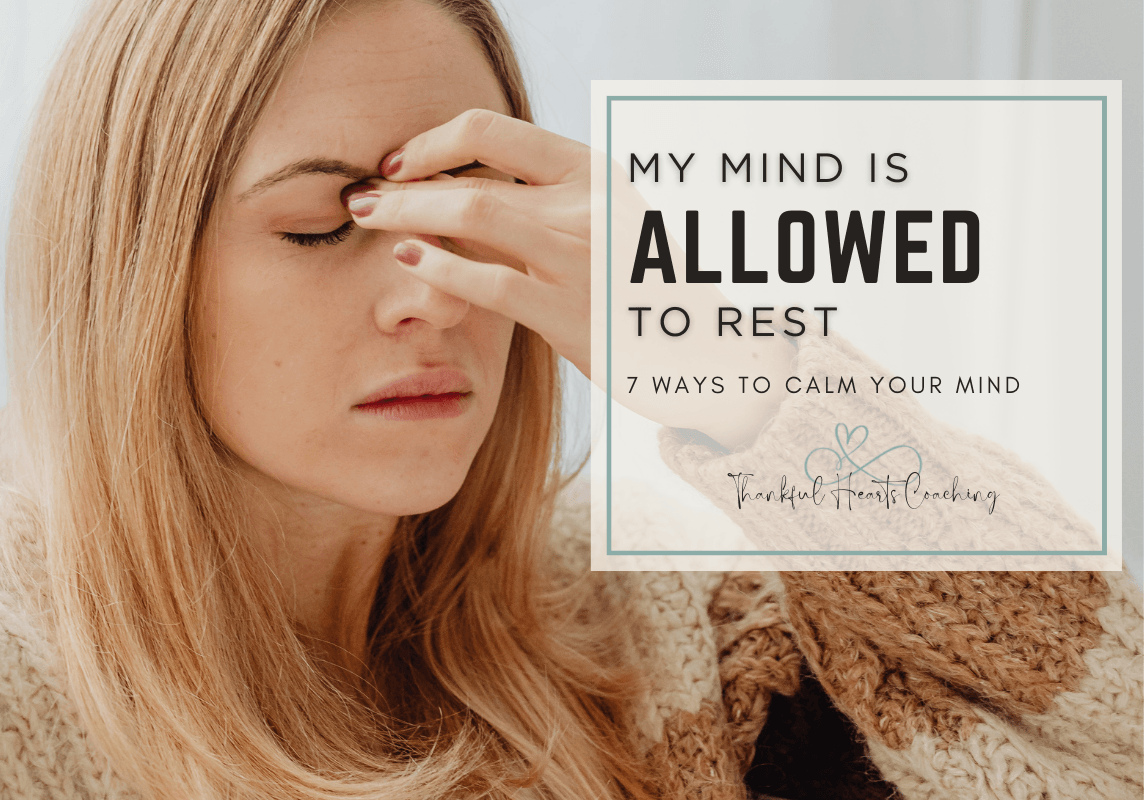
Is your mind constantly racing, replaying conversations, or imagining worst-case scenarios? You're not alone. As a transformation coach working with high-achieving women, I've seen firsthand how overthinking can hijack our mental peace and prevent us from living our most authentic lives.
The Hidden Cost of Overthinking
Overthinking isn't just an annoying mental habit; it's a silent thief of joy and productivity. Recent studies show that excessive analysis and worry can lead to:
Decreased decision-making ability
Disrupted sleep patterns
Strained relationships
Reduced productivity
Increased anxiety and stress
But here's the truth that many don't talk about: overthinking often masks deeper issues around control and perfectionism, especially for high-achieving women who are used to excelling through careful planning and analysis.
Understanding the Overthinking Cycle
Think of overthinking like a hamster wheel, you're expending enormous energy but not actually moving forward. Common triggers include:
Major life decisions
Professional challenges
Relationship dynamics
Past mistakes or regrets
Future uncertainties
The good news? Recognizing these patterns is the first step toward breaking free.
7 Practical Strategies to Stop Overthinking
1. Practice Thought Awareness
Instead of fighting your thoughts, become an observer. Notice when you're spiraling without judgment. This creates space between you and your thoughts.
2. Set Boundaries with Your Thoughts
Just as you set boundaries in relationships, establish clear limits with your thinking time. Schedule specific "worry windows" rather than letting concerns consume your entire day.
3. Embrace the "Progress over Perfection" Mindset
Remember, not every decision needs to be perfect. Sometimes, good enough truly is good enough. This mindset shift alone can dramatically reduce overthinking.
4. Use the 5-5-5 Rule
When caught in an overthinking loop, ask yourself:
Will this matter in 5 minutes?
Will this matter in 5 months?
Will this matter in 5 years?
5. Practice Gratitude
Shifting focus to what's going well can interrupt negative thought patterns and provide perspective.
6. Take Decisive Action
Break larger concerns into smaller, manageable steps. Action is the antidote to anxiety.
7. Seek Support
Sometimes we need an outside perspective to see our thought patterns clearly. Working with a coach, counselor, or a supportive community of like-minded women can provide valuable tools, accountability, and encouragement. Growth happens in spaces where we feel seen and supported.
The Role of Self-Compassion
Remember, overthinking often stems from a desire to do things right and protect ourselves from pain. Treat yourself with the same kindness you'd offer a friend struggling with similar challenges.
Moving Forward: Your Action Plan
1. Identify your most common overthinking triggers
2. Choose one strategy from above to implement this week
3. Track your progress in a thought journal
4. Celebrate small wins in managing your thoughts
Ready to Transform Your Relationship with Overthinking?
If your mind constantly runs through worst-case scenarios, second-guesses decisions, or replays conversations long after they happen, there is usually a deeper belief underneath the pattern.
Overthinking is rarely about thinking too much.
It is about the story your mind is trying to protect.
I created a short Limiting Belief Quiz to help you identify the belief quietly influencing your confidence, boundaries, and decision-making.
Once you see the belief clearly, you can start changing the pattern.
What Story
Is Running
Your Life?
Discover the belief quietly shaping your confidence, boundaries, and choices.

Remember: You don't have to think less, just think differently.

Jennifer Anderson
Beliefs & Boundaries Specialist
Jen is the heart behind Thankful Hearts Coaching. She helps women slow down, reconnect with themselves, and create a life that feels calm, intentional, and meaningful without needing to overhaul everything. Through graceful guidance, honest conversations, and practical tools, Jen supports women in learning how to listen to their hearts, trust their inner wisdom, and find peace right where they are.
Jen is also the author for the Amazon bestseller "Give Your Yes a Bestie Named No" and a contributing author to several collaborative books, where she shares her message of boundaries, gratitude, and living aligned with what truly matters. You can learn more about her work at ThankfulHeartsCoaching.com.
You Might Also Enjoy...


Serving Bellevue, NE and Beyond!
©️2025 Thankful Hearts Coaching
All Rights Reserved
Website Design and Support by Polished & Published